LimbPower launches new teenage transition resources to help young people stay active as they move into adulthood
Posted by LimbPowerAdmin on Thursday 29th October 2026
PRESS RELEASE
LimbPower launches new teenage transition resources to help young people stay active as they move into adulthood
For immediate release | October 2026
LimbPower has launched a new suite of teenage transition resources designed to help young people with amputations and limb differences build the confidence, knowledge and practical skills they need as they move towards adulthood.
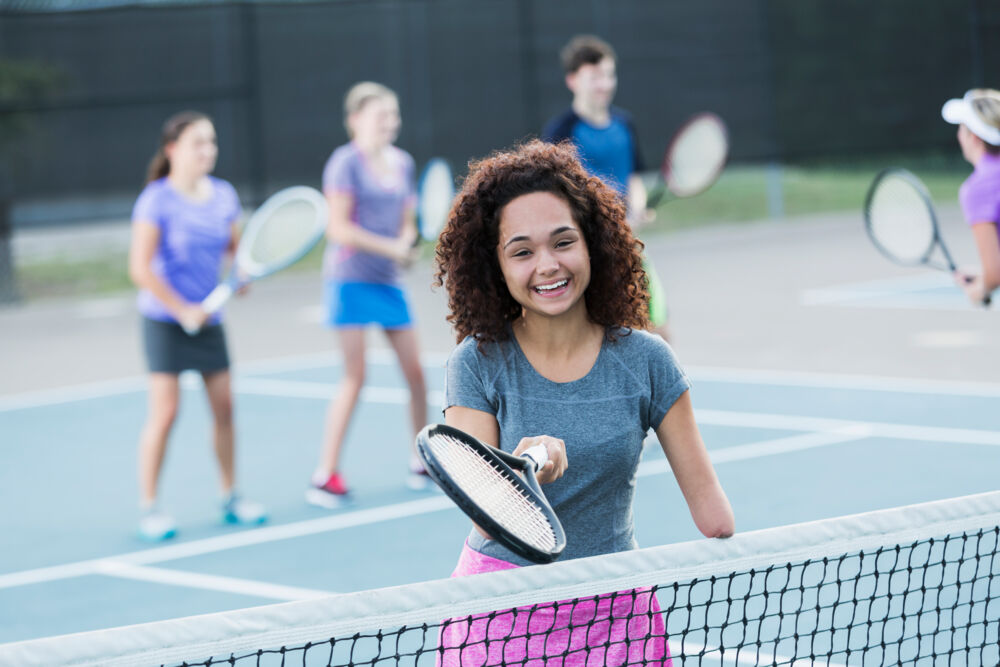
The resources have an important role beyond the clinic. Coaches, PE teachers, lecturers, university sport teams and physical activity providers can all help ensure that changes in education, healthcare, prosthetic provision and daily life do not become barriers to staying active.
LimbPower's research with Starworks identified a need for clearer, more timely information for young people and families as they move from children's to adult prosthetic services. The research highlighted challenges including changes in responsibility, clinical teams and available services, alongside the wider changes young people experience as they grow up.
The new resources include:
- A Teen's Guide to Physical Activity & Sport, helping teenagers explore activities they enjoy and understand how training, planning, equipment and adaptations can make participation possible. It also provides practical guidance for conversations with coaches, PE teachers, activity leaders and trainers.
- The Prosthetic Clinical Transitions Questionnaire, helping young people and clinicians identify where further advice or support may be needed, including exercise, sport, activity limbs, education, travel and independent management of prosthetic care.
- My Health Journey Book, giving young people a personal record of their medical and prosthetic journey that can move with them as they become increasingly responsible for their own healthcare.
- The Transition in the Prosthetic Services Clinicians Toolkit, supporting clinicians to work with young people and families throughout the transition from children's to adult prosthetic services.
All resouces can be downloaed from the LimbPower wesbite www.limbpower.com/resources
Why coaches and educators matter
Teenage transition is about much more than moving from one NHS service to another.
Young people may simultaneously be changing school or college, starting university or employment, becoming more independent and experiencing changes to their body, residual limb or prosthetic fit. The shorter teen resource specifically identifies changes in routine, access to activities, prosthetic fit and concerns about peers and attitudes as issues that can affect participation.
At the same time, access to prosthetic provision can change at 18. The clinicians' toolkit explains that sports limbs provided in children's services are not routinely provided in adult NHS prosthetic services, making early conversations about future activity particularly important.
This is why the people around a teenager matter.
A knowledgeable coach, teacher or lecturer can help a young person focus on what they can do, make reasonable adaptations, explore different ways of participating and find an activity environment in which they feel comfortable.
The physical activity guide encourages a practical approach based around training, planning, specialist equipment and adapting the activity. It also introduces the 6Qs approach, looking at Why, Who, What, Where, When and How an activity can be adapted while retaining its purpose.
“We don't want young people to reach adulthood and suddenly find that the activity or sport they love feels less accessible. Transition should prepare young people for greater independence while helping them understand their choices and what support is available. Coaches, teachers and lecturers are an important part of that journey because they can turn inclusion into something practical: helping a young person find a way to participate that works for them.”
Kiera Roche, CEO, LimbPower
The resources have been informed by research commissioned by LimbPower from Starworks, with the physical activity guide created by LimbPower and Walk:Enabled using the research and with funding from Sport England. Families and organisations supporting young people with limb difference have also contributed to the resources.
A simple message for coaches and educators
Don't assume a young person cannot participate because an activity looks difficult to adapt. Ask what they want to achieve, talk to them about what works for their body and prosthesis, and work together to find a solution.
With the right conversation, adaptation and support, many activities can be made accessible.
ENDS
Notes to editors
About LimbPower: LimbPower supports young people with limb loss and limb difference through community connections, outreach, peer support, social inclusion, resources and inclusive sporting and educational opportunities, helping bridge the gap between rehabilitation and active community life.
The transition resources were developed using LimbPower and Starworks research and draw on established healthcare-transition approaches, including Ready, Steady, Go.
Media enquiries:
LimbPower
Email: info@limbpower.com
Website: www.limbpower.com
Recent Posts

LimbPower launches new teenage transition resources to help young people stay active as they move into adulthood
The resources have an important role beyond the clinic. Coaches, PE teachers, lecturers, university sport teams and physical…
Fundamental Skills Workshops: Building Confidence Through Movement
LimbPower's Fundamental Skills Workshop supports child amputees and children with limb difference develop confidence,…
LimbPower Junior Games 2026
LimbPower is proud to announce the return of the highly anticipated LimbPower Junior Games 2026, taking place on Saturday 16 May…

National Alliance Launches Campaign to Raise Awareness of Limb Loss and Limb Difference Across the UK
A powerful new inaugural national campaign bringing together leading charities across the UK has launched this April to raise…
New amputee-led, follow‑along exercise video series launches on YouTube
LimbPower is delighted to announce the launch of the latest instalment of the UR:Enabled Adult Amputee Adapted Workout series —…